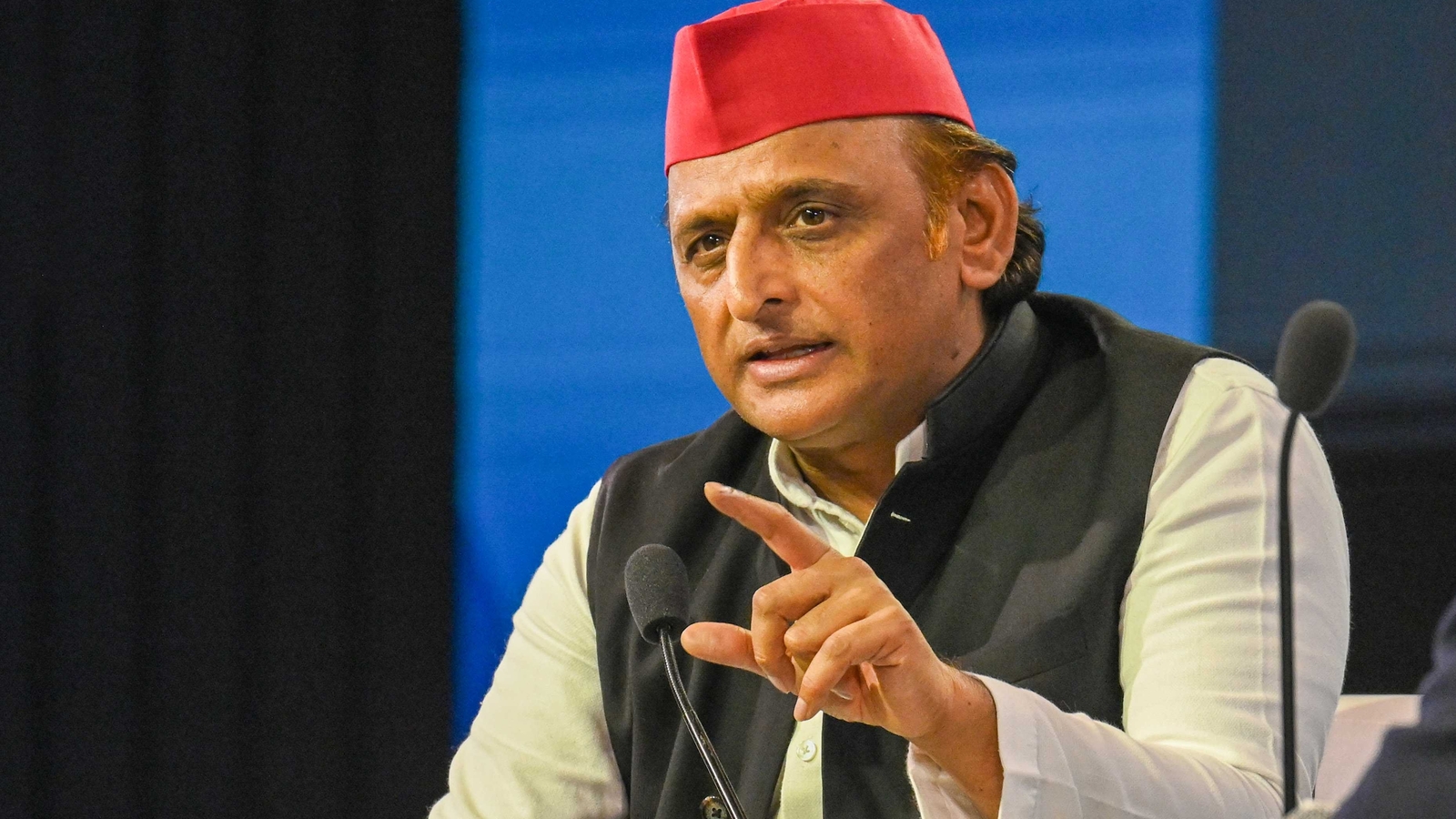
Samajwadi Party chief Akhilesh Yadav on Monday criticised the Bharatiya Janata Party over speculation that the Centre may introduce the Delimitation Bill during Parliament's upcoming Special Session, saying that for the BJP "elections are everything, not the country." In a post on X, Yadav said the party cares about the boundaries of Lok Sabha constituencies rather than the country's borders. On Friday, the former chief minister had described the move to bring the proposed legislation before Parliament as "the biggest mistake of the BJP." His remarks come ahead of the 2027 Uttar Pradesh Assembly elections, with the SP chief also promising a caste census in the state if his party returns to power, saying the exercise would ensure communities receive representation in proportion to their population.
Uttar Pradesh Chief Minister Yogi Adityanath on Saturday backed the Union Cabinet's approval of the Delimitation Bill, calling the proposed expansion of seats in Parliament and state Assemblies an important step towards implementing 33 per cent reservation for women by 2029. He appealed to all 80 Lok Sabha MPs from Uttar Pradesh to vote in favour of the legislation, and credited Prime Minister Narendra Modi's leadership for advancing the implementation of the Nari Shakti Vandan Adhiniyam.
The legislative package approved by the Union Cabinet includes a 50 per cent increase in the strength of the Lok Sabha and state legislative Assemblies, along with a fresh delimitation exercise ahead of the 2029 general elections. The proposals also provide for 33 per cent reservation for women and a freeze on seat allocation until 2051. Under the plan, the maximum strength of the Lok Sabha will rise from 550 to 850 seats, while the upper limit for state Assemblies will increase to 650 seats. Uttar Pradesh's Assembly strength is proposed to go up from 403 to 650 seats.
The framework seeks to separate the implementation of women's reservation from the 2026 Census, with the Centre planning to use the 2011 Census for delimitation and constituency readjustment while retaining the 1971 Census as the basis for determining the proportion of seats allocated to individual states. The package consists of two Constitution Amendment Bills and one Union Territories Amendment Bill, including the Constitution (One Hundred and Thirty-First Amendment) Bill, which proposes changes concerning the allocation of seats among states.