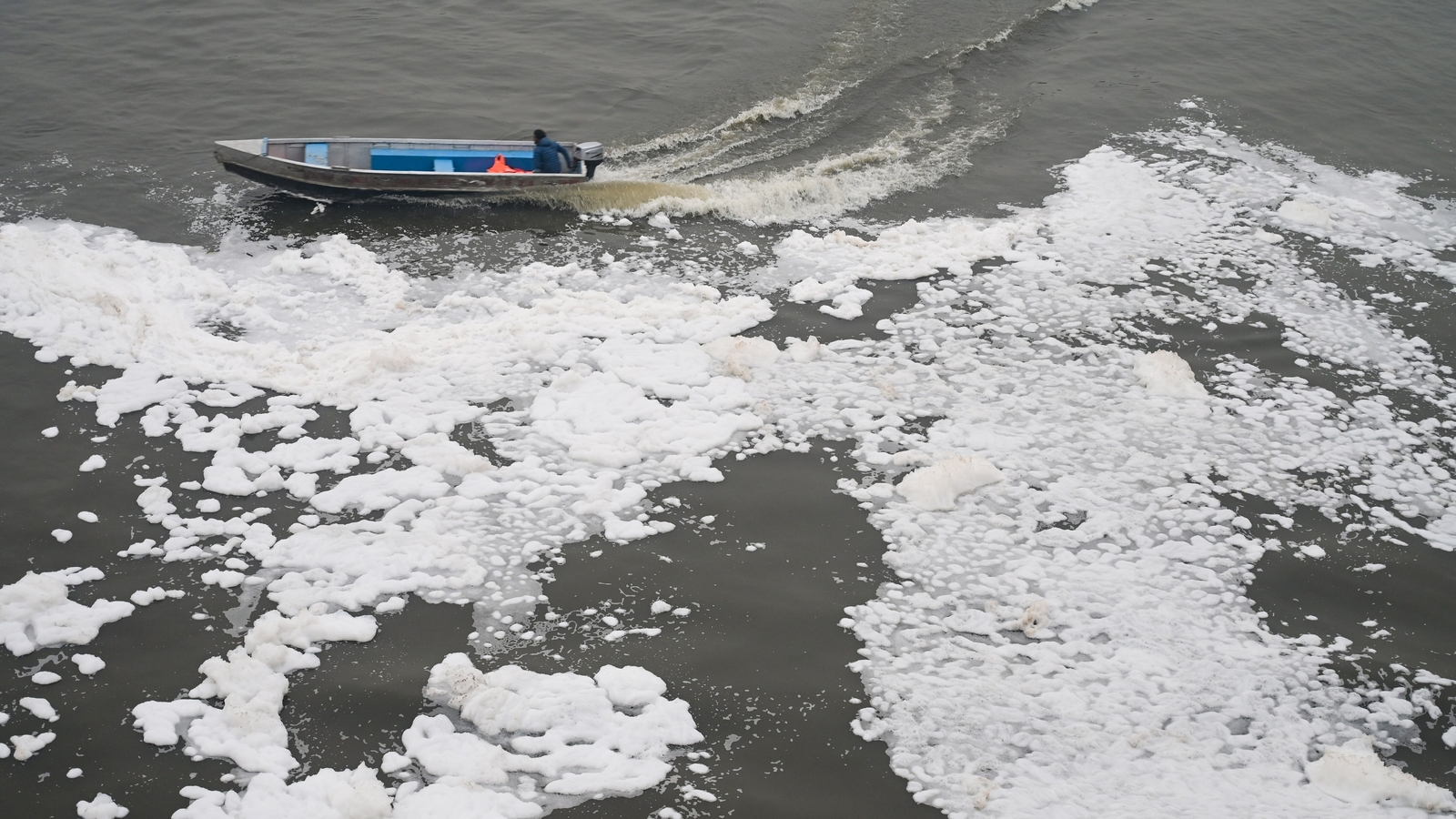
Dairy farms, gaushalas, dhobi ghats and laundry units in Delhi will now face tighter pollution-control requirements, with the Delhi Pollution Control Committee (DPCC) making it mandatory for them to obtain environmental consents and meet prescribed waste-treatment standards. Units that fail to comply within the stipulated period may face punitive action, including closure-related measures and disconnection of essential services, according to the DPCC notices.
In two separate public notices, the DPCC has tightened directions for dairy farms and gaushalas, and for dhobi ghats, laundry units and washing facilities, as part of efforts to prevent untreated waste and wastewater from entering the Yamuna. Dairy farms and gaushalas have been categorised as Orange and Green based on their activities and cattle strength, and owners have been directed to obtain Consent to Establish and Consent to Operate under the Water and Air Acts, as applicable, applying within 15 days. The crackdown assumes importance given Delhi's cattle population of 1,23,164, with an estimated cattle waste generation of about 1,500 tonnes per day, of which only around 200 tonnes is currently utilised. The Municipal Corporation of Delhi has signed an MoU with the National Dairy Development Board to set up waste-processing plants for the unprocessed waste.
Dhobi ghats, laundry units and washing facilities have been warned that untreated wastewater discharged into the Yamuna contributes to foam formation and eutrophication. These establishments must obtain the necessary licence, install and maintain effluent treatment plants, ensure no wastewater is discharged into drains, water bodies or land without treatment, and use soaps and detergents conforming to BIS specifications. Officials said sources of surfactants include detergents in untreated domestic sewage, industrial pollutants and wastewater from dhobi ghats, and a study by The Energy and Resources Institute had also identified dhobi ghats as a source of these surfactants.
The DPCC has warned that violations could invite penal action, including disconnection of electricity and water supply and imposition of environmental compensation. Officials are expected to intensify enforcement once the stipulated compliance periods have elapsed.