Electric trucks and buses are registering in greater numbers, but limited access to finance is holding back adoption, especially in the heavy commercial vehicle segment, according to VAHAN data analysed by VehicleStats India. In October, 4,904 electric vehicles were registered in the combined truck-and-bus category, up 161% from 1,882 in October 2025, yet they made up only 4.1% of all truck and bus registrations for the month.
The gap between registrations and required scale is visible in the Centre's electric truck support programme. Under the PM E-DRIVE scheme, ₹500 crore was allocated in 2024 to support 5,643 electric trucks, but only 55 had received support as of July 22, 2026, according to a Lok Sabha reply. The scheme's overall outlay for vehicles was later raised to ₹11,900 crore, with implementation extended until March 31, 2028.
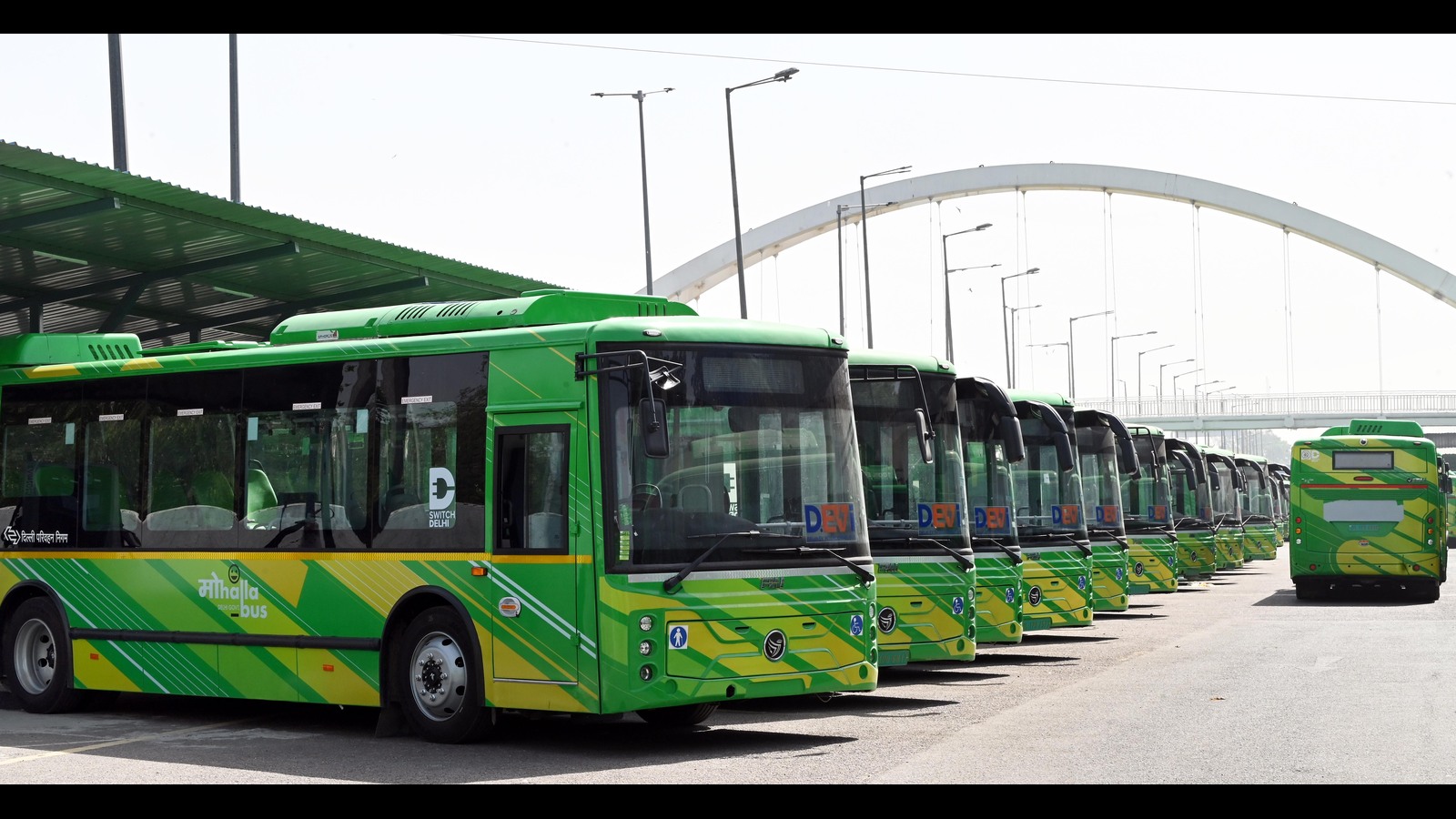
The challenge is acute in electric buses, where an electric bus costs nearly ₹1 crore against ₹40 lakh to ₹60 lakh for a conventional bus. About 5,400 electric buses were registered in 2025-26, roughly 4% of all bus registrations, according to an ITDP India analysis of VAHAN data. ITDP projected registrations would rise to 17,814 in 2030-31, or 11.4% of annual bus registrations, still below the 62,352 needed to meet the EV30@30 goal of 40% electric bus sales by 2030. It said private operators, who account for 93% of the bus ecosystem, face higher borrowing costs due to the absence of an established resale market or residual-value framework.
ICCT researcher Harsimran Kaur said conventional lenders are often reluctant to finance these vehicles because of higher upfront costs, uncertain residual values and limited experience with the technology. She suggested longer loan tenures, residual-value guarantees and buyback arrangements, along with better assessment of vehicle utilisation and cash flows, could help lenders. Mufin Green Finance's Gunjan Jain said its finance-lease model requires a 10-15% security deposit, with the financier paying the rest to the manufacturer or dealer, and targets a minimum 16% return; its exposure to heavy electric buses remains small.