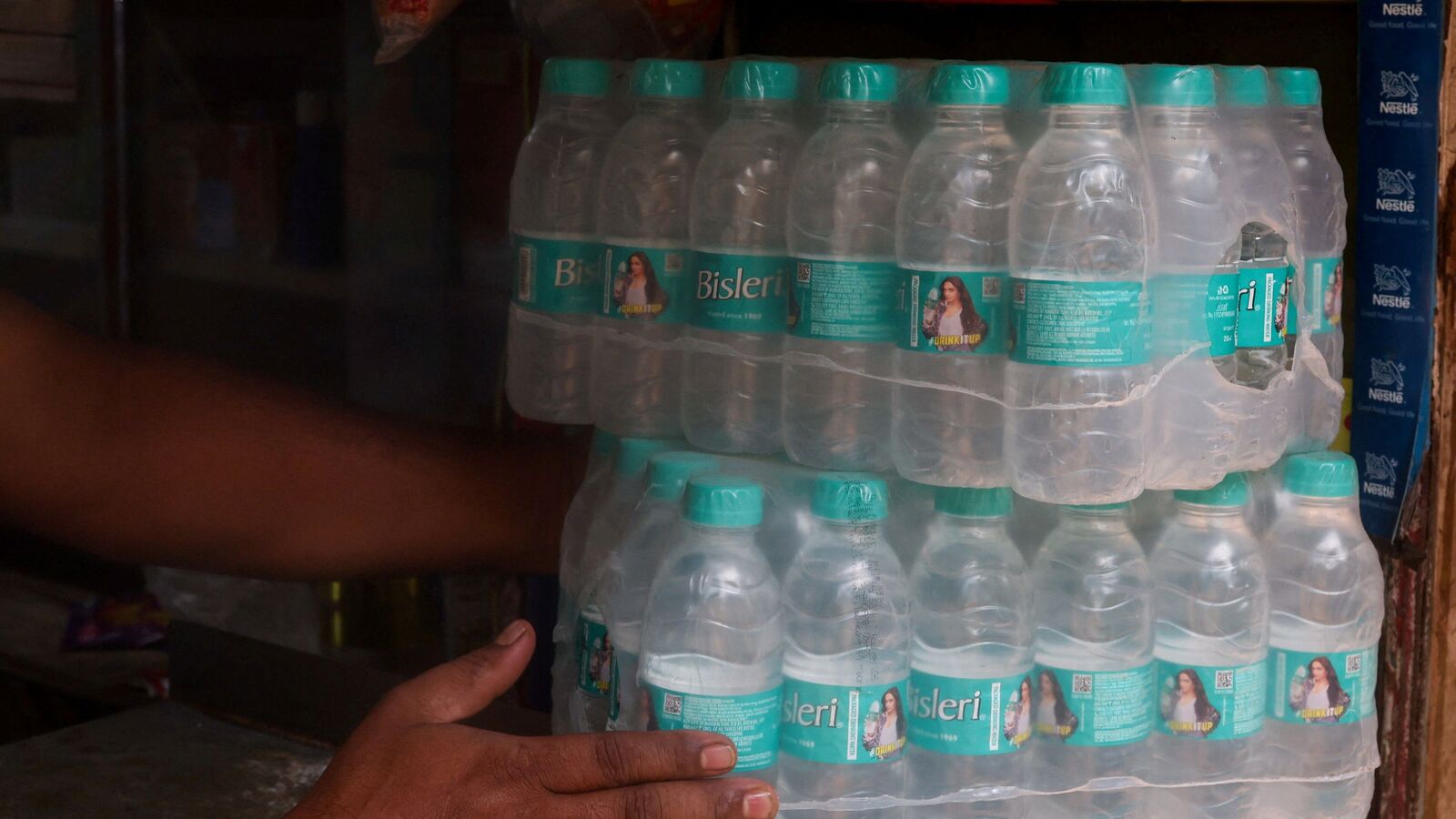
The Food Safety and Standards Authority of India (FSSAI) has sanctioned prosecution against Bisleri International after a packaged drinking water sample from its West Bengal plant failed a quality test, sources said. According to reports, laboratory tests confirmed the presence of coliform bacteria in the sample, collected from a manufacturing plant in Telipara village, Jalpaiguri, with both primary and referral laboratories confirming the finding. The regulator prohibited the sale of batch number PB 201 on August 12, 2026, though the prohibition applies only to that particular batch. This is the second instance of FSSAI sanctioning prosecution against the packaged water company, after similar proceedings announced on November 22 relating to a sample from its Goa facility. Responses from FSSAI and Bisleri on the latest development were not immediately available.
In the Goa case, the sample initially failed testing due to bromate levels exceeding prescribed limits, and Bisleri appealed against the laboratory findings. Further testing reportedly detected polynuclear aromatic hydrocarbons (PAHs), prompting FSSAI to initiate prosecution under the Food Safety Act, 2006. Bisleri welcomed the regulator's subsequent clarification issued on November 23 that the sale prohibition applies exclusively to batch GO 270.
Bisleri has maintained that its products are safe for consumption, stating that the Goa batch was manufactured on September 27, 2025, and that no stock from the affected batch remains in the market. The company, which produces over 50,000 batches annually, said subsequent testing found bromate levels within permissible limits, though one sample recorded PAH levels of 0.144 micrograms per litre. It highlighted discrepancies between laboratory findings and requested further testing in February 2026, and said all 143 manufacturing plants remained operational and compliant with FSSAI regulations.
Meanwhile, FSSAI has expanded surveillance of packaged drinking water and mineral water manufacturers, instructing state food commissioners and regional directors to strengthen inspections and sampling. FSSAI CEO Rajit Punhani said nationwide water quality testing could take one to two months, emphasising that enforcement measures aim to ensure regulatory compliance rather than create public panic.