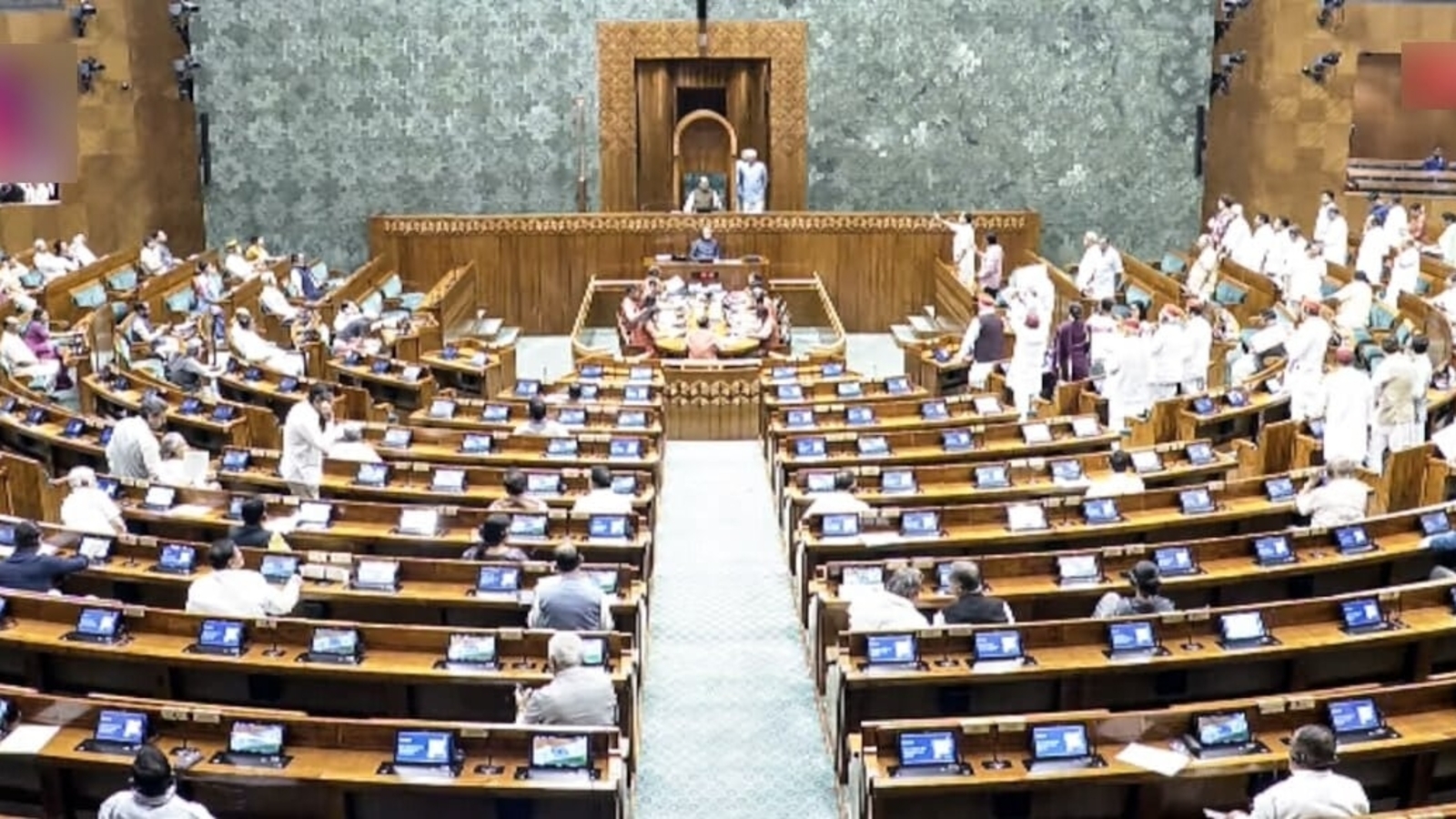
The Union government on Friday introduced a revised constitutional amendment that guarantees a uniform 50% increase in Lok Sabha seats for every state and Union Territory, replacing the legislative framework that failed in the Lok Sabha in April. The Constitution (132nd Amendment) Bill, 2026, and the Delimitation (Second) Bill, 2026, retain the objective of implementing 33% reservation for women in Parliament and state assemblies before the 2029 general elections, according to the proposals.
Under the new amendment, the Lok Sabha's maximum strength will rise to 815 members from states and 35 from Union Territories, while state legislative assemblies will have a maximum of 650 members. The 50% expansion will apply to each state and UT's existing allocation, preserving their relative share in the House rather than redistributing seats according to population differences. The move seeks to address concerns raised by southern states, including Tamil Nadu and Kerala, that population-based delimitation could reduce their political influence.
The earlier Constitution (131st Amendment) Bill secured 298 votes in favour and 230 against on April 17, falling 54 votes short of the 352 required among the 528 members present and voting. It was the first time since the NDA came to power in 2014 that a constitutional amendment introduced by the government was defeated in the Lok Sabha, and the accompanying delimitation and Union Territories bills were not proceeded with.
The new amendment also removes uncertainty over when women's reservation would become operational. The 106th Constitution Amendment Act, 2023, had linked implementation to a delimitation exercise following the first census after its commencement; the new provision states that reservation will take effect after the first delimitation exercise undertaken following the commencement of the proposed amendment. The Delimitation (Second) Bill provides for a three-member commission chaired by a serving or retired Supreme Court judge, with the Chief Election Commissioner or a nominated Election Commissioner, and the state election commissioner of the state concerned.