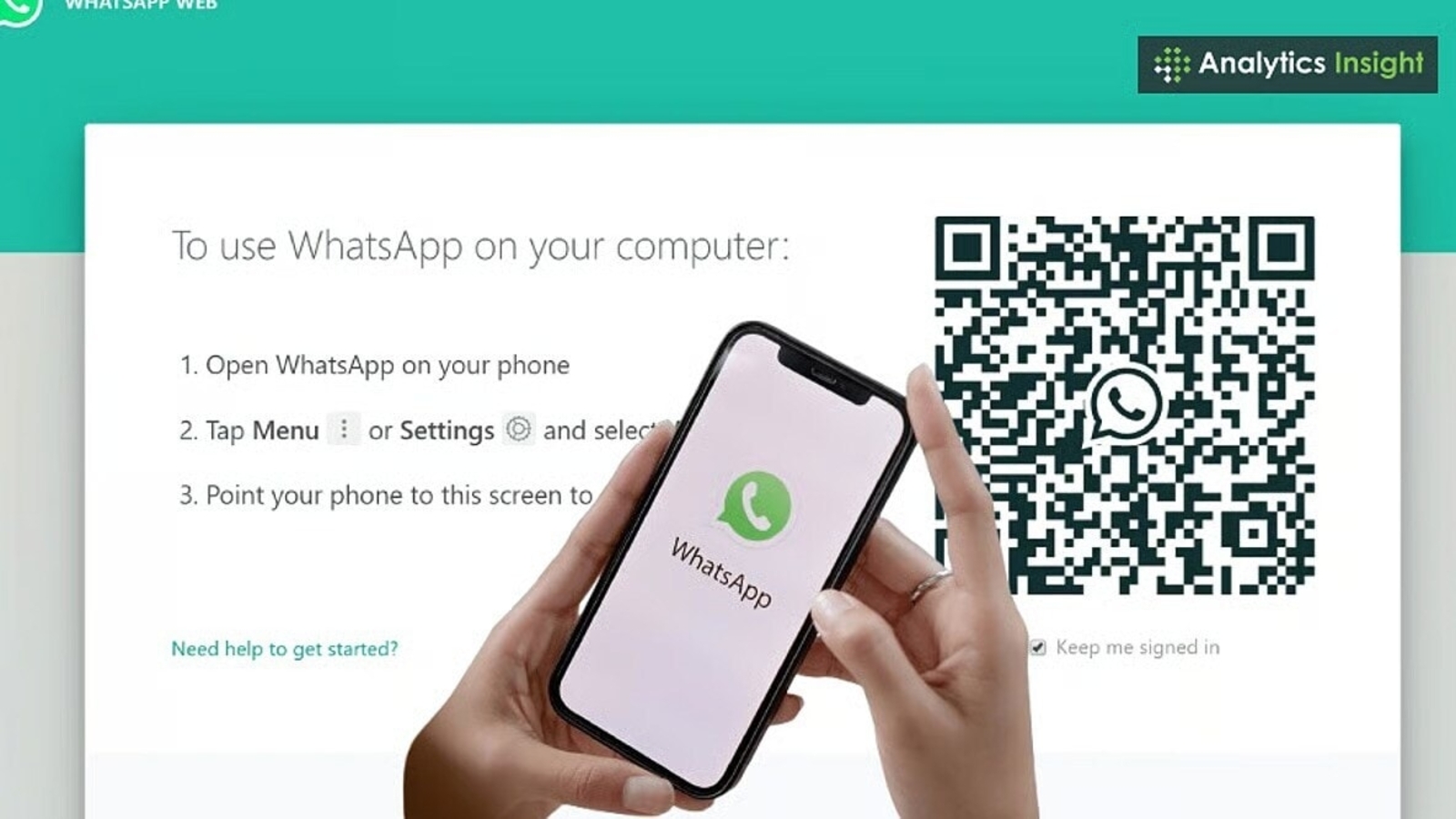
The National Cybercrime Threat Analytics Unit (NCTAU) of the Indian Cyber Crime Coordination Centre (I4C) has warned that authenticated WhatsApp Web sessions could be misused to gain unauthorised access to users' accounts, allowing malicious actors to read messages, impersonate account holders and access their contacts and group conversations.
In an advisory released on Monday, the home affairs ministry's I4C said such misuse could let attackers read private messages, impersonate users and exploit their identities for fraud, phishing and other cybercrimes. It recommended avoiding WhatsApp Web for official and sensitive environments, and advised caution when accessing it on office computers, shared systems, public computers or devices accessible to others.
The advisory said government, organisational, financial, confidential or other sensitive information should preferably not be exchanged through WhatsApp Web sessions on computers. Users should not leave an authenticated session active when it is not required, particularly on office or shared computers, and should log out manually after each session, since closing the browser window or tab should not be treated as logging out.
Where temporary use is unavoidable, the advisory suggested using Incognito or Private Browsing mode on a trusted computer and logging out manually before closing the browser. It warned against using WhatsApp Web on unknown or public computers at cyber cafes, public kiosks, hotel business centres or borrowed systems, and asked users to treat unexpected messages sent from their account or unusual replies from contacts seriously. Users were also advised to keep devices, operating systems and browsers secure, keep security software updated and avoid suspicious downloads, unknown files and cracked software.