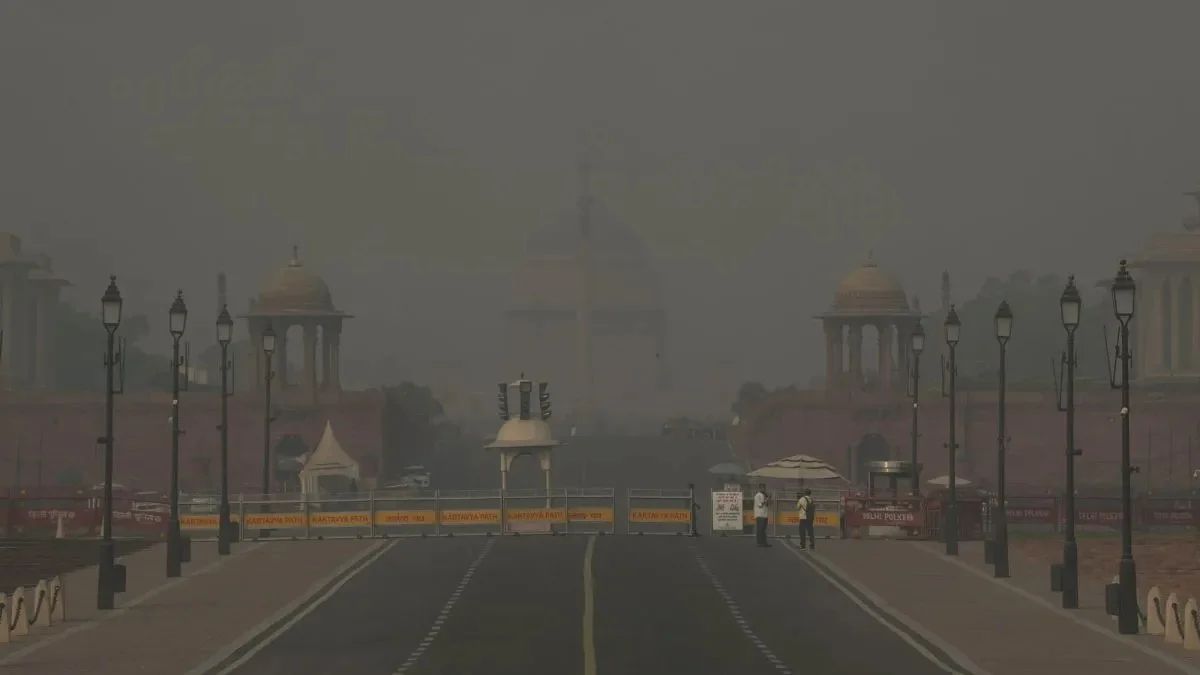
As winter sets in, mornings often bring a blanket of white haze that reduces visibility and makes distant buildings hard to see. While many assume this is fog, it could also be smog linked to air pollution. According to the India Meteorological Department (IMD), which explained the difference in a post on X, the two look similar but form for different reasons and affect health differently.
Fog consists mainly of tiny water droplets suspended in the air, formed when atmospheric moisture condenses. It is more common in winter as temperatures fall and moisture levels rise, and dense fog can make driving difficult, especially in the early morning. Smog, by contrast, is associated with air pollution and contains smoke, dust and other pollutant particles. Vehicle emissions, industrial pollution and construction dust contribute to it, and winter weather can keep pollutants concentrated near the ground, worsening air quality.
The key difference lies in formation: fog is a natural meteorological phenomenon made of water droplets, while smog contains pollutants. Since both reduce visibility, the IMD's guidance suggests checking local Air Quality Index (AQI) levels rather than judging conditions by sight alone. Smog can irritate the eyes and throat, cause coughing and make breathing difficult, with children, older people and those with existing respiratory conditions more vulnerable.
Before stepping out on a hazy morning, people should check the AQI and weather updates for their area. When pollution levels are high, limiting time outdoors, particularly near busy roads and construction sites, wearing a suitable mask when necessary and protecting children and older family members from prolonged exposure are advisable. Delhi and several other parts of the country experience smog during winter, making awareness of local air quality important.