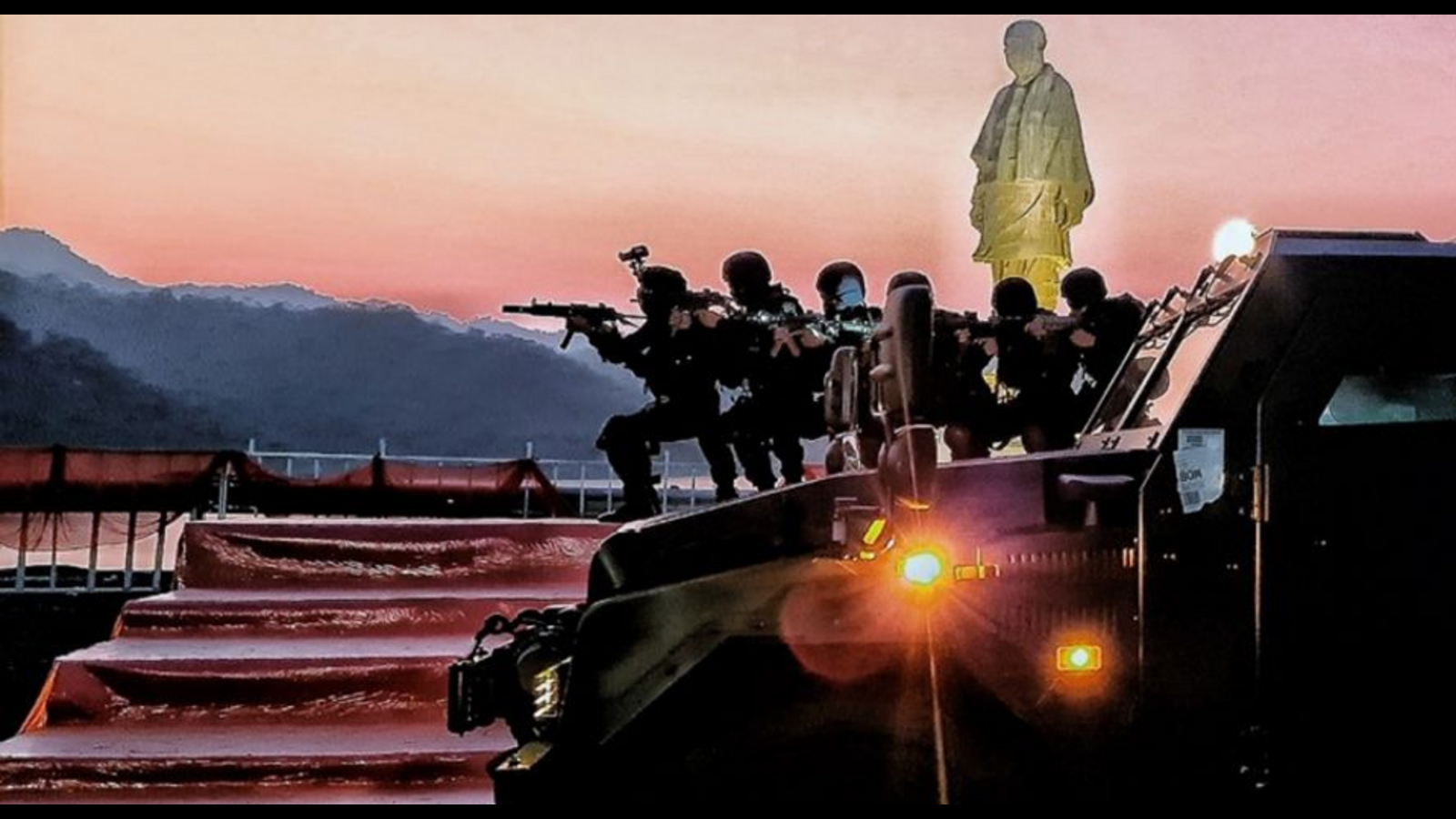
The National Security Guard (NSG) has completed six-week police commando conversion courses for personnel from the anti-terror units of Maharashtra, Telangana, West Bengal, Gujarat and Uttar Pradesh, officials aware of the programme said. The training is part of plans to ensure states have commando teams to respond to a 26/11-type terror attack. The NSG will train anti-terror units of other state police forces in the coming months, and the Union home ministry is tracking the programmes conducted at the NSG's Manesar headquarters.
According to an officer, personnel from different anti-terror units stayed with the NSG and were trained in hostage rescue and counter-terror operations, as the NSG does. A module prepares the units to work alongside the NSG if such a situation arises. The officer said a major part of the training focuses on hostage rescue during terror incidents, noting that during the Mumbai attacks, teams had to check hundreds of rooms on different floors at the Taj Mahal Hotel and other buildings while fighting was on. The home ministry's idea behind the programme is to train police forces in this and show them best practices.
A second officer said state police anti-terror units have some of the best personnel, but their primary expertise is often in intelligence gathering and investigating terror cases. The idea is to have one battle-ready commando unit in every anti-terror unit, with the main component of the training being hostage rescue in different situations and neutralising attackers. Refresher courses will be done once the first round of training is over, the officer said, to ensure all major states have a team trained specifically for this purpose as first responders, even as the NSG is already expanding its presence.
The NSG was the country's only specialised force trained to handle counter-terrorism and anti-hostage operations at the time of the 26/11 terror attacks in Mumbai 18 years ago. The force, which draws its personnel from the Army and central armed police forces, maintains teams under its Counter Terrorist Task Force (CTTF), which train throughout the year. One CTTF team, usually Team 1, is kept on standby for any national emergency, with its weapons, equipment and even the batteries in its communication and operational devices kept ready so commandos can mobilise as soon as possible. The NSG is used only in exceptional cases, including during the 2008 Mumbai attacks and the 2016 Pathankot Air Force station terror attack.