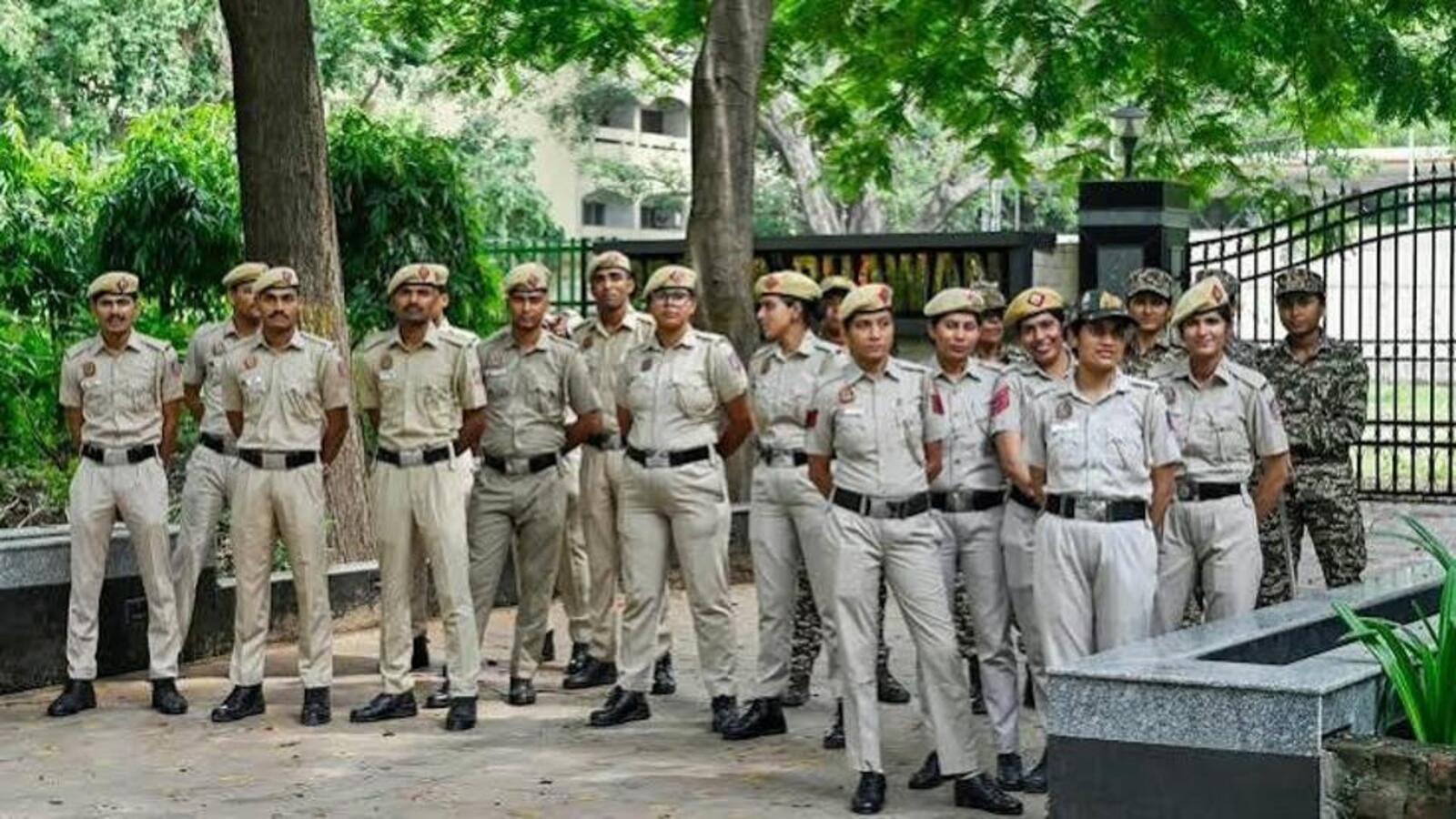
The Odisha Police has asked district superintendents of police to grant women personnel 12 days of additional casual leave annually to help them manage menstrual discomfort, and to exempt pregnant and lactating staff, as far as practicable, from night duties and strenuous assignments.
In a letter issued to district SPs on Wednesday, the Crime Against Women and Children Wing of the Odisha Police said pregnant and lactating personnel should be spared strenuous physical duties involving prolonged standing, physical exertion and law-and-order deployments. Women experiencing severe menstrual discomfort may be assigned less strenuous work, such as control room responsibilities, instead of physically demanding field assignments, wherever operational requirements permit.
The wing cited a March 12, 2024, order of the state finance department sanctioning 12 days of additional casual leave annually for women government employees, and said women police personnel should receive one day of additional leave every month. It noted that women in some districts were not being allowed to avail themselves of leave and directed all authorities to ensure eligible personnel received the benefit upon application. It also called for reasonable breaks and flexibility in duty timings for pregnant and lactating women, citing the Maternity Benefit Act, 1961, and said nursing breaks should be allowed.
Citing the disproportionate burden of household and caregiving responsibilities on women alongside the demanding nature of police service, the wing said the combined burden adversely affected the mental health and overall well-being of women personnel, making a supportive and gender-responsive working environment imperative. District SPs have been asked to attach a woman sub-inspector, assistant sub-inspector or havildar to the Force Section in each Reserve Office to address deployment-related grievances, and to appoint a woman officer of the rank of deputy superintendent of police or additional SP as a well-being officer in every district. The directive also calls for separate, clean and hygienic toilets, separate changing rooms at all duty posts, restoration of women's rest rooms diverted for other purposes, regular gender-sensitivity training for supervisory officers, timely disposal of sexual harassment complaints under the 2013 law, access to professional counsellors and psychologists, and at least 15 minutes during monthly 'Alochana Sabha' meetings exclusively for interactions with women personnel.