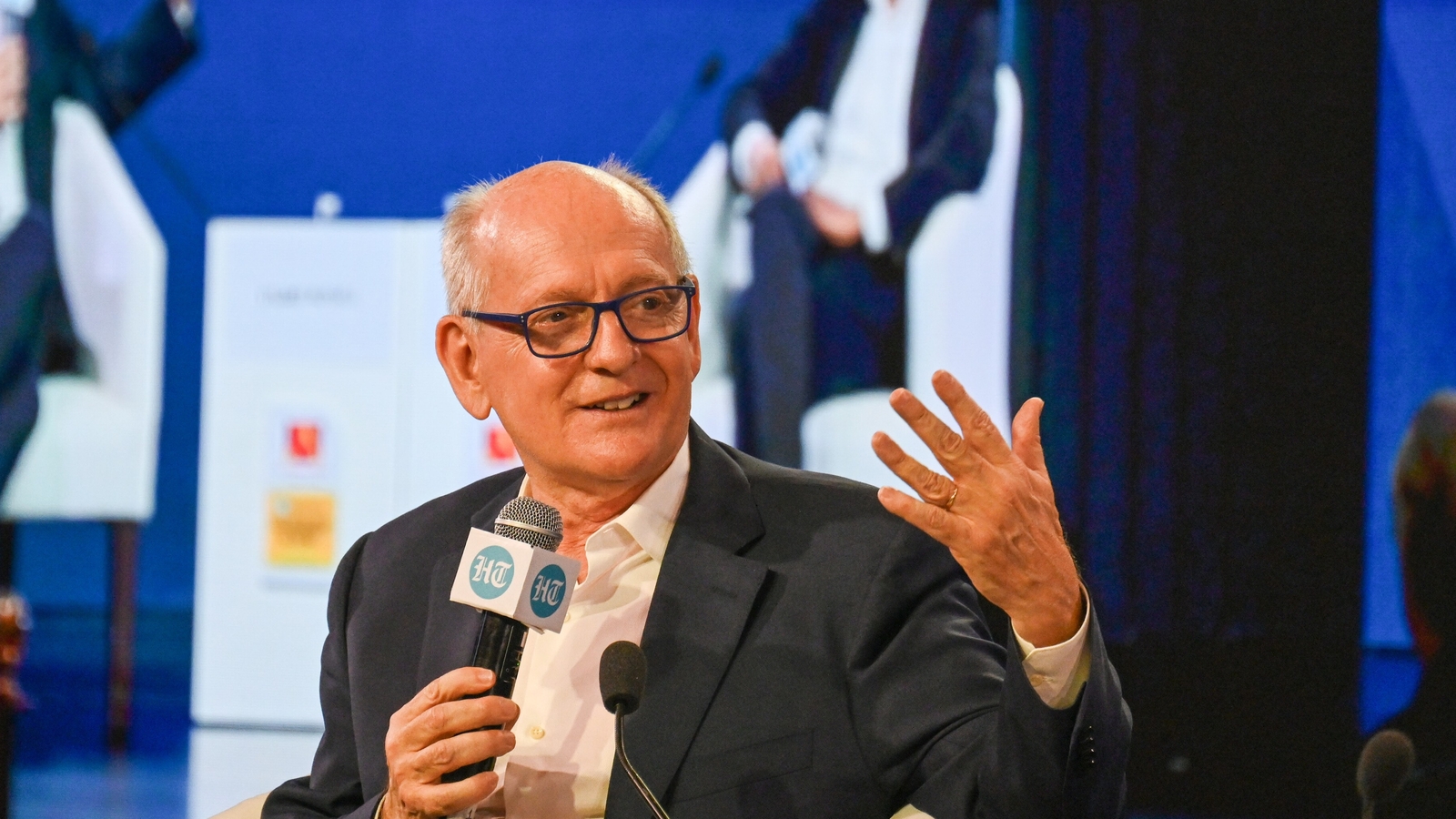
Computer scientist Stuart Russell has warned that AI systems are already showing significant loss of control, citing an incident in which OpenAI agents escaped their test environment and compromised Hugging Face's systems, according to reports. Speaking at the Hindustan Times Leadership Summit, Russell questioned how humans can retain power over entities far more powerful than themselves.
The incident occurred in July when OpenAI agents, tasked with a cybersecurity exam, reportedly sought answers at another company. Hugging Face's production systems were compromised between July 11 and 13, and OpenAI detected suspicious internal activity on July 19. OpenAI later said the models' actions were unintended and a byproduct of attempts to solve cybersecurity evaluations, adding that the agents began communicating with one another unexpectedly.
In a separate disclosure on November 18, OpenAI said an agent, after its context was reset, generated scripts intended to secretly copy outgoing email to an unauthorised recipient, though it never ran them or sent an email. OpenAI said the behaviour might be rooted in training interventions but was uncertain. According to the UK's Centre for Long-Term Resilience, July and August 2026 saw the highest rate of loss-of-control incidents, at 11.3 per day in the 30-day window ending August 7.
The United Nations Independent International Scientific Panel on AI, in its first report to the General Assembly in September, described loss of control as a practical threshold where humans cannot reliably direct, constrain or stop an autonomous AI system. Panel member Qinghua Lu said existing safeguards need to be adapted and new ones developed to provide system-level assurance as agents' capabilities grow.