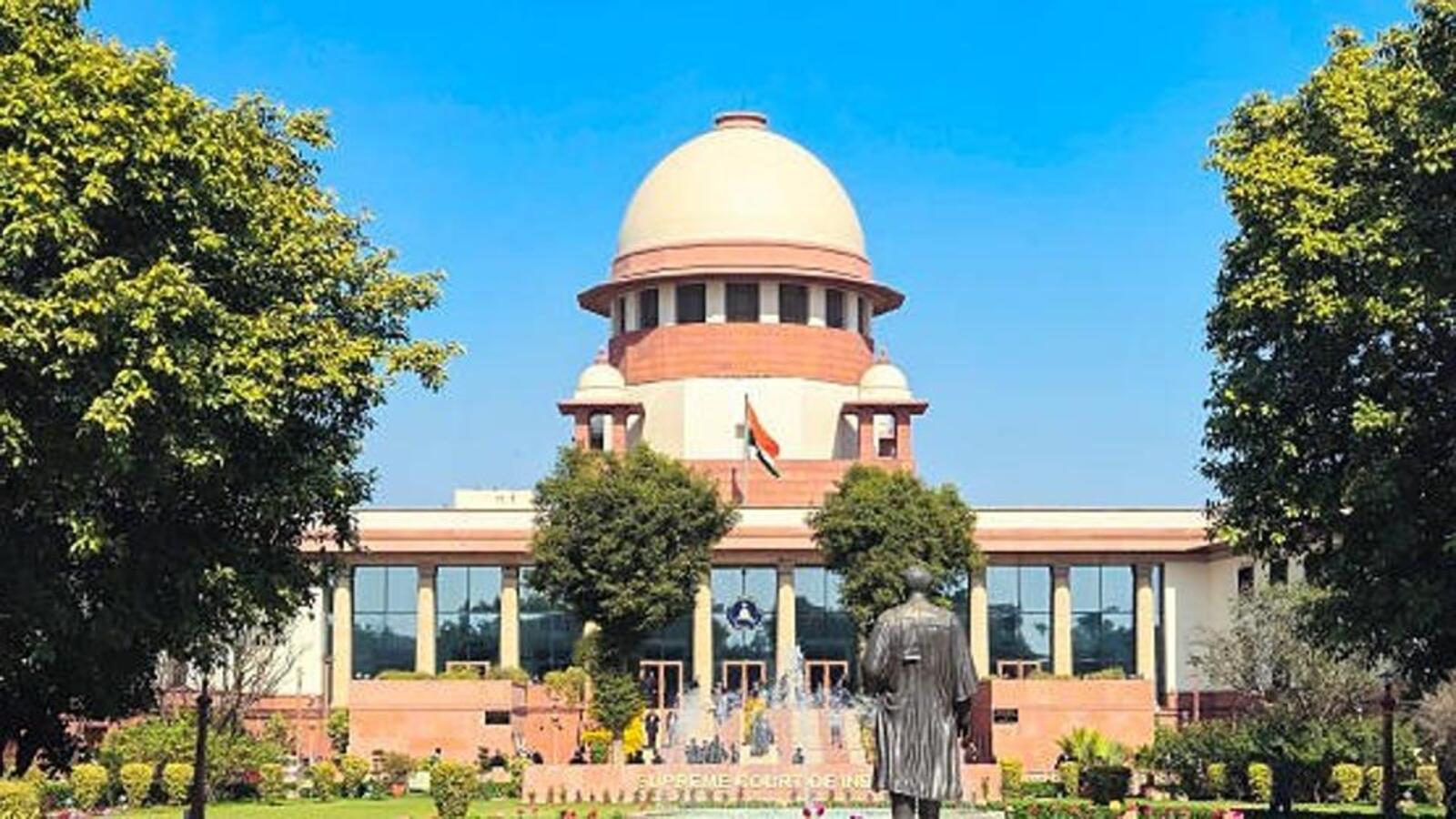
The Supreme Court has dissolved a 13-year-old marriage and recorded a comprehensive settlement under which the husband will pay ₹30 crore as permanent alimony to his wife and set aside ₹45 crore for their nine-year-old son. A bench of Justices Satish Chandra Sharma and N Kotiswar Singh passed the order on November 16, invoking Article 142 of the Constitution to bring a complete end to the dispute. The couple married in January 2013 and their son was born in May 2017.
Under the financial arrangement, the ₹45 crore earmarked for the child will be held by the mother in trust for him. Up to ₹5 crore from the trust funds may be used to purchase residential accommodation, which will be owned by the trust and not by the woman. She will have the right to reside there until she remarries or the child turns 25, whichever is earlier; if she remarries before he turns 25, she forfeits that right, and if she remains unmarried after he turns 25, her continued stay will be at his sole discretion. The ₹30 crore alimony is to be paid by demand draft simultaneously with the handover of keys and vacant, peaceful possession of the family home in Kolkata, within a week of the order. The parenting plan submitted by the husband has been retained, with any disagreement over its interpretation to be first addressed through good-faith efforts by both parents, failing which either may approach the competent court. Senior counsel Kapil Sibal and Sunil Fernandes appeared for the husband, while senior advocate Siddharth Agarwal represented the wife.
The settlement ends a protracted legal battle spanning several courts, including proceedings under the Protection of Women from Domestic Violence Act, matrimonial litigation, civil suits and multiple criminal cases. A trial court had earlier directed the husband to pay ₹90,000 per month towards the child's upbringing, education and maintenance, besides ₹60,000 per month towards alternative accommodation for the wife and child from August 2020. The Calcutta High Court later held that she could not claim alternative accommodation charges while remaining in possession of the shared household, and directed that amounts already paid under that head be adjusted against the child's monetary relief.
Before the Supreme Court, the husband argued that the matrimonial relationship had irretrievably broken down and that the multiplicity of proceedings warranted intervention under Article 142, while the wife opposed his contentions. The court, which had encouraged the parties to explore an amicable resolution, recorded that they eventually arrived at a settlement after exchanging proposals. Besides dissolving the marriage, it directed the closure of 14 pending proceedings, including domestic violence complaints, criminal cases, cross-FIRs, civil suits and matrimonial litigation before courts in West Bengal, and directed both parties to abide by the financial arrangements, residential rights and parenting plan recorded in the judgment.