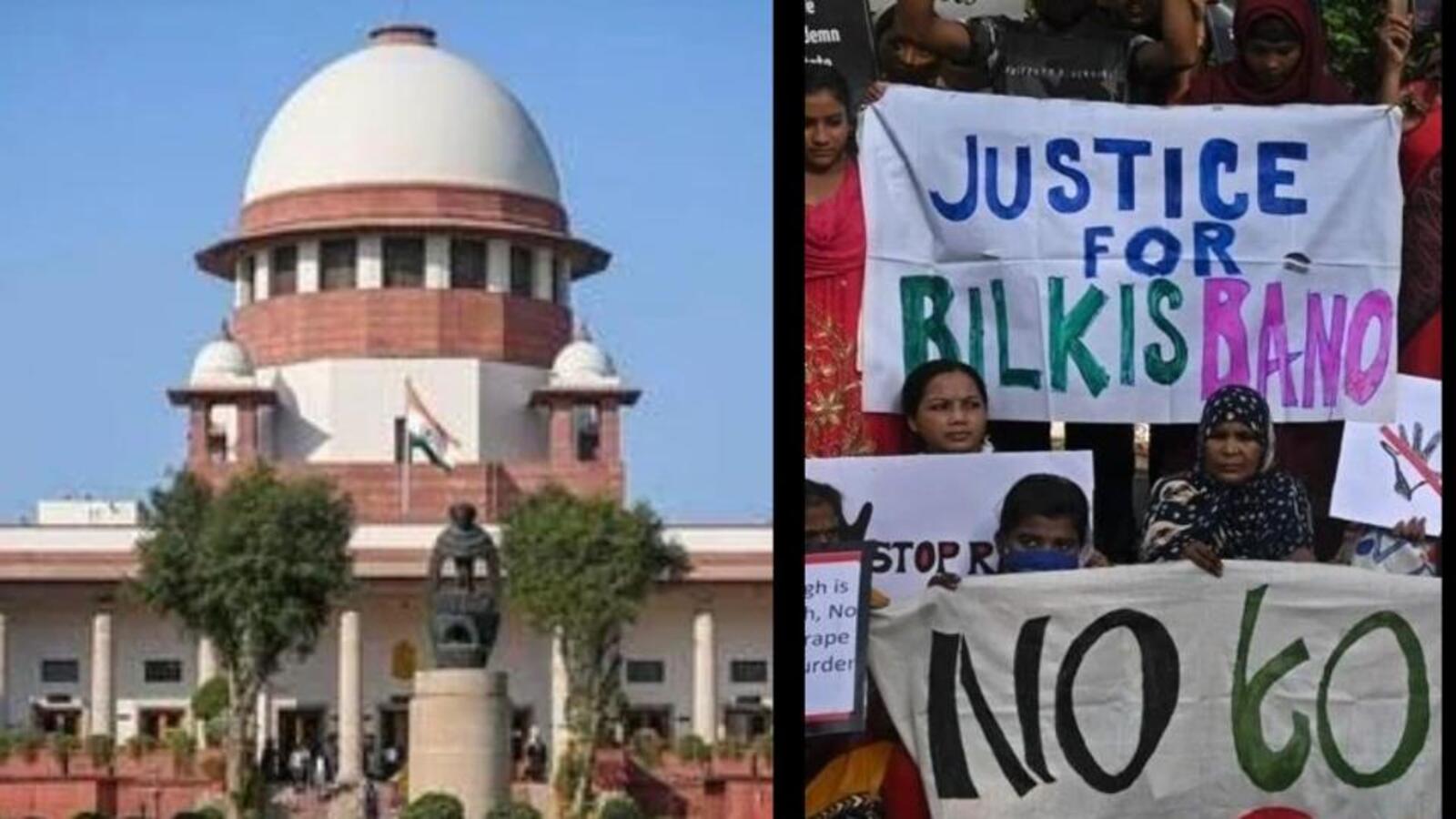
The Supreme Court has held that crime victims or their legal representatives must get a reasonable opportunity to present their views before a State decides on premature release or remission of a convict. A bench of Justices Dipankar Datta and Sheel Nagu ruled on November 26 in a petition challenging the Bihar government's decision to prematurely release former MP Anand Mohan.
The court held that the opportunity to make a representation must be read into the applicable prison rules, at least in grave offences where the victim or the victim's family can be reasonably traced. It clarified that such participation would not give victims a veto, and the competent authority must take the final decision independently.
The bench noted that neither Section 432 of the Code of Criminal Procedure nor Section 473 of the Bharatiya Nagarik Suraksha Sanhita expressly provides for notice or hearing to the victim before remission. It observed that the victim's participation in the criminal justice process cannot be regarded as exhausted merely with the conclusion of trial and imposition of sentence, drawing on the 2022 Jagjeet Singh versus Ashish Mishra ruling.
The ruling raises a larger question about victims being heard when courts consider pleas for suspension of sentence and bail. The judgment deals with the State's executive remission power, while the October 28 Supreme Court order suspending the life sentences of two convicts in the Bilkis Bano case involved judicial power. Bano, who survived gang rape during the 2002 Gujarat riots, said after that order that the court had not informed her or heard her before granting relief.