A report by the US-China Economic and Security Review Commission (USCC), released on November 18, has said China is actively working to suppress India's rise across multiple domains, according to the panel's assessment. The report identified India as one of the few powers outside US alliances with the scale to compete with China, noting that Beijing views New Delhi's rise as a strategic challenge and applies military, economic and maritime pressure to constrain it.
The commission cited India's position as the world's most populous nation, largest democracy, a nuclear-armed state and home to one of the world's largest militaries, besides its 2,100-mile contested border with China and its location along Indian Ocean sea lanes that carry much of China's energy and trade. It said that while the Western Pacific remains the primary arena of US-China rivalry, India presents Beijing with another strategic challenge on land and at sea. The report also noted that India's rivalry with China stems from its own strategic interests and commitment to "strategic autonomy", not from alignment with Washington.
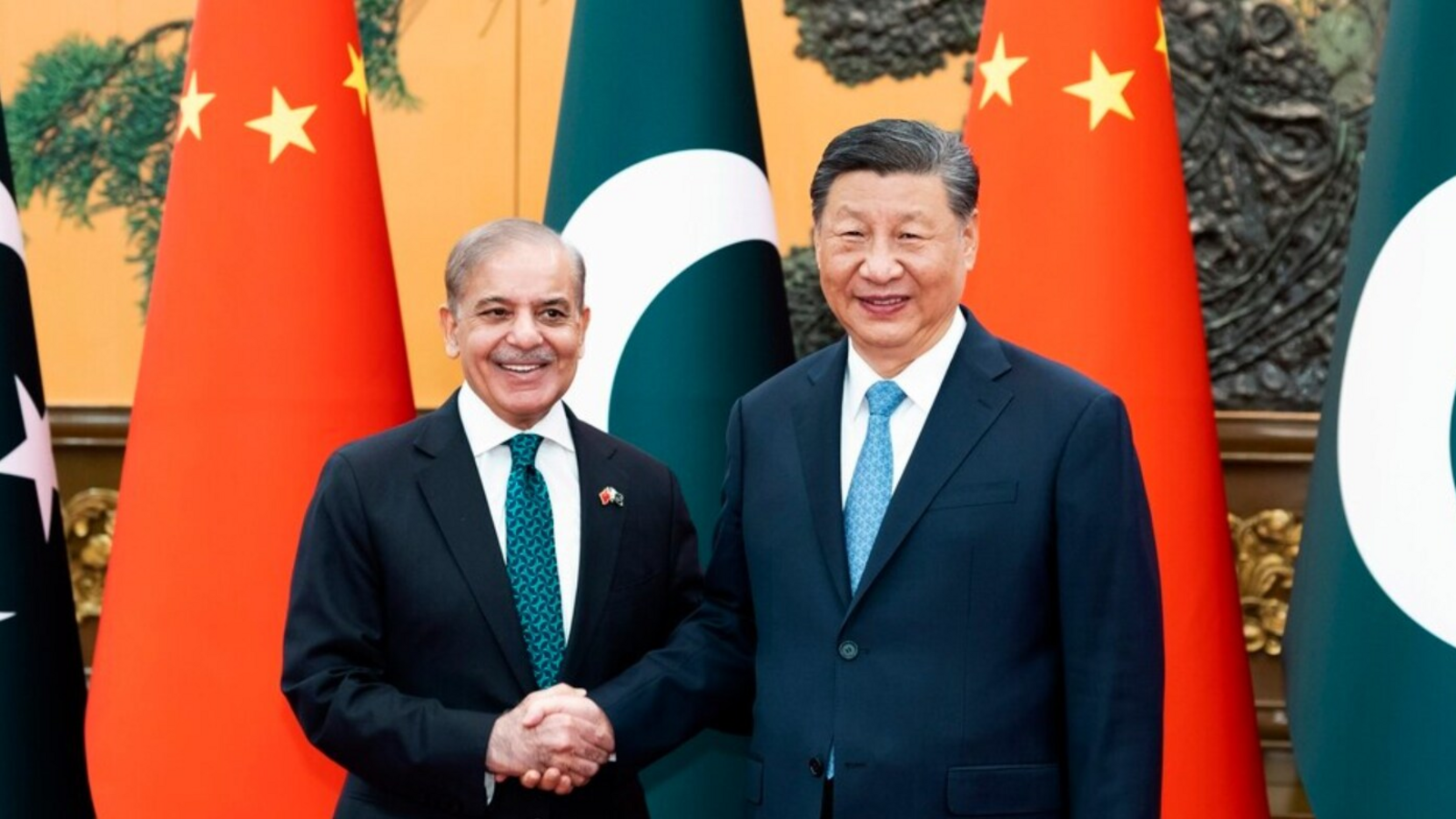
The report highlighted China's deepening military partnership with Pakistan, describing it as a heightened risk of a two-front security challenge for India, and urged Washington to expand operational defence ties with New Delhi in the Indian Ocean. It pointed to the military conflict between India and Pakistan in May 2025 after India launched Operation Sindoor against terror bases in response to the killing of 26 civilians, mostly tourists, in Jammu and Kashmir's Pahalgam on April 21, 2025.
The panel assessed that the episode showed how China could bolster Pakistan during a crisis without entering hostilities directly, complicating Indian planning for any future clash with Pakistan. Pakistan reportedly used advanced weaponry procured from China during the fighting, the report said. It added that hackers targeted India's critical infrastructure, attempting large-scale distributed denial-of-service (DDoS) cyberattacks aimed at disrupting critical networks, including government systems, during the conflict.