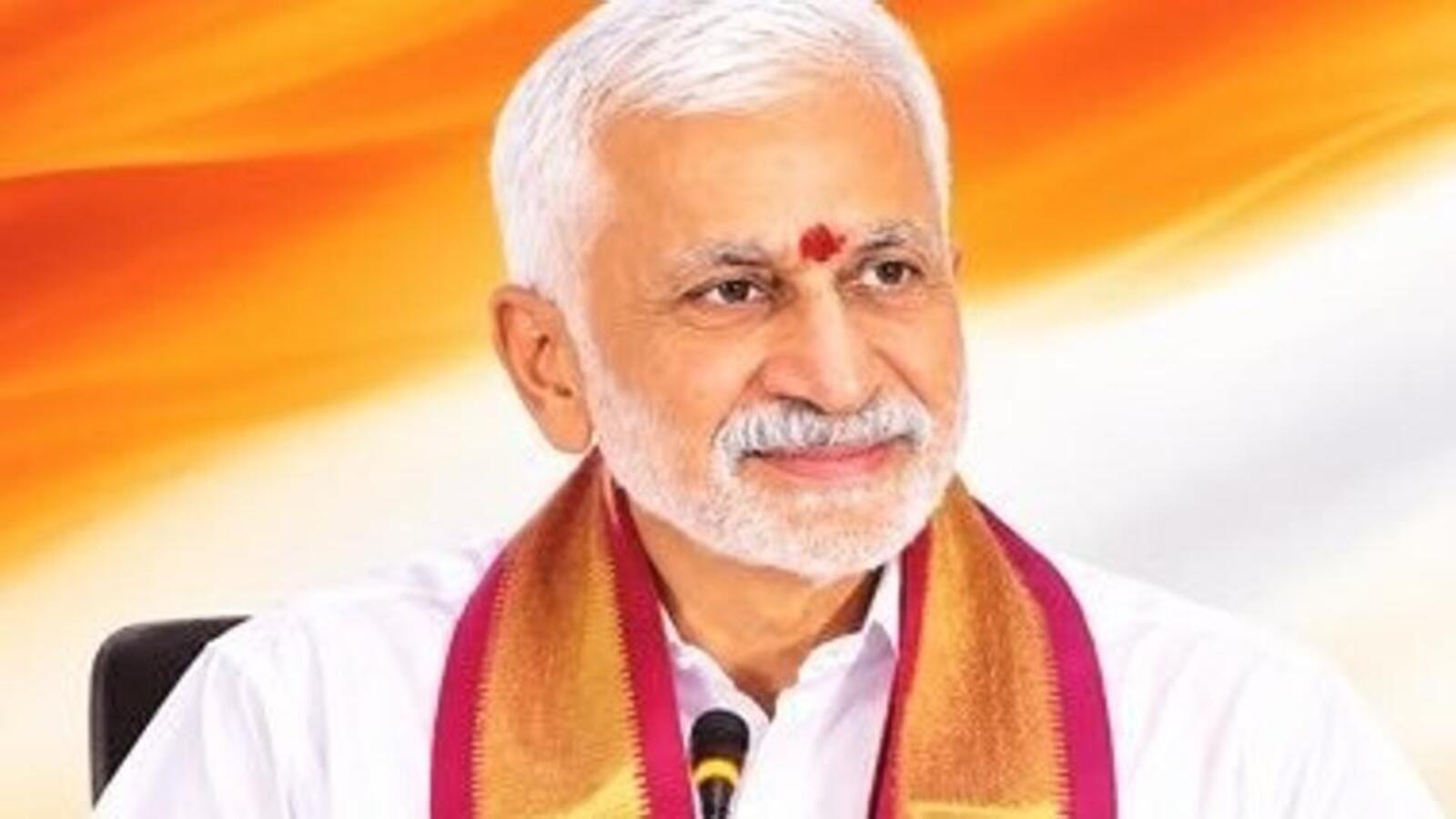
Former Rajya Sabha member Vijaya Sai Reddy has positioned his newly launched Parivartan Rajniti Party (PRP) as a political alternative to the Telugu Desam Party (TDP) and the Yuvajana Sramika Rythu Congress Party (YSRCP) in Andhra Pradesh. Addressing his first press conference in Delhi since launching the party in Vijayawada on November 11, Reddy said he would serve as PRP president but would neither contest elections nor seek the chief minister's post, and set the 2029 Assembly and Lok Sabha elections as the party's first major electoral test. He said state politics should not be limited to two parties or two political families, adding that the effort was aimed at farmers, young people, women and employees.
Reddy said the YSRCP, his former party, was running a campaign accusing him of betraying party chief Jagan Mohan Reddy, a charge he described as "absolutely false." He said he left when his self-respect no longer allowed him to remain. On law and order, he said villages that were once peaceful had become battlegrounds, accusing both the TDP and the YSRCP of violating the law and alleging that both encouraged violence. He said the PRP would create opportunities for leaders without political family backgrounds, citing the BJP as an example of a party that grew without hereditary succession deciding its leadership.
The PRP plans to contest across Andhra Pradesh in 2029 and build its organisation from the village level upwards. Reddy said 66% of the party's MLA and MP tickets would be reserved for young people and Gen Z, and called for meaningful representation for backward classes, Scheduled Castes, Scheduled Tribes and minority communities. He outlined regional priorities, including irrigation and employment for Rayalaseema, drinking water and infrastructure for North Andhra, and said farmers would be prioritised through pending irrigation projects, expanded water storage, fair produce prices and support for tenant farmers.
On governance, Reddy demanded that the state government publish a public report every three months on revenue, expenditure and development work, and make government orders public promptly. He said the PRP would not make promises without assessing their financial costs and feasibility. On religious issues, he expressed concern over reports of a high number of conversions from Hinduism to Christianity and a sharp increase in churches between 2019 and 2024, though the material he released did not include figures; he called on the state government to publish verified data and advocated a stringent anti-conversion law.