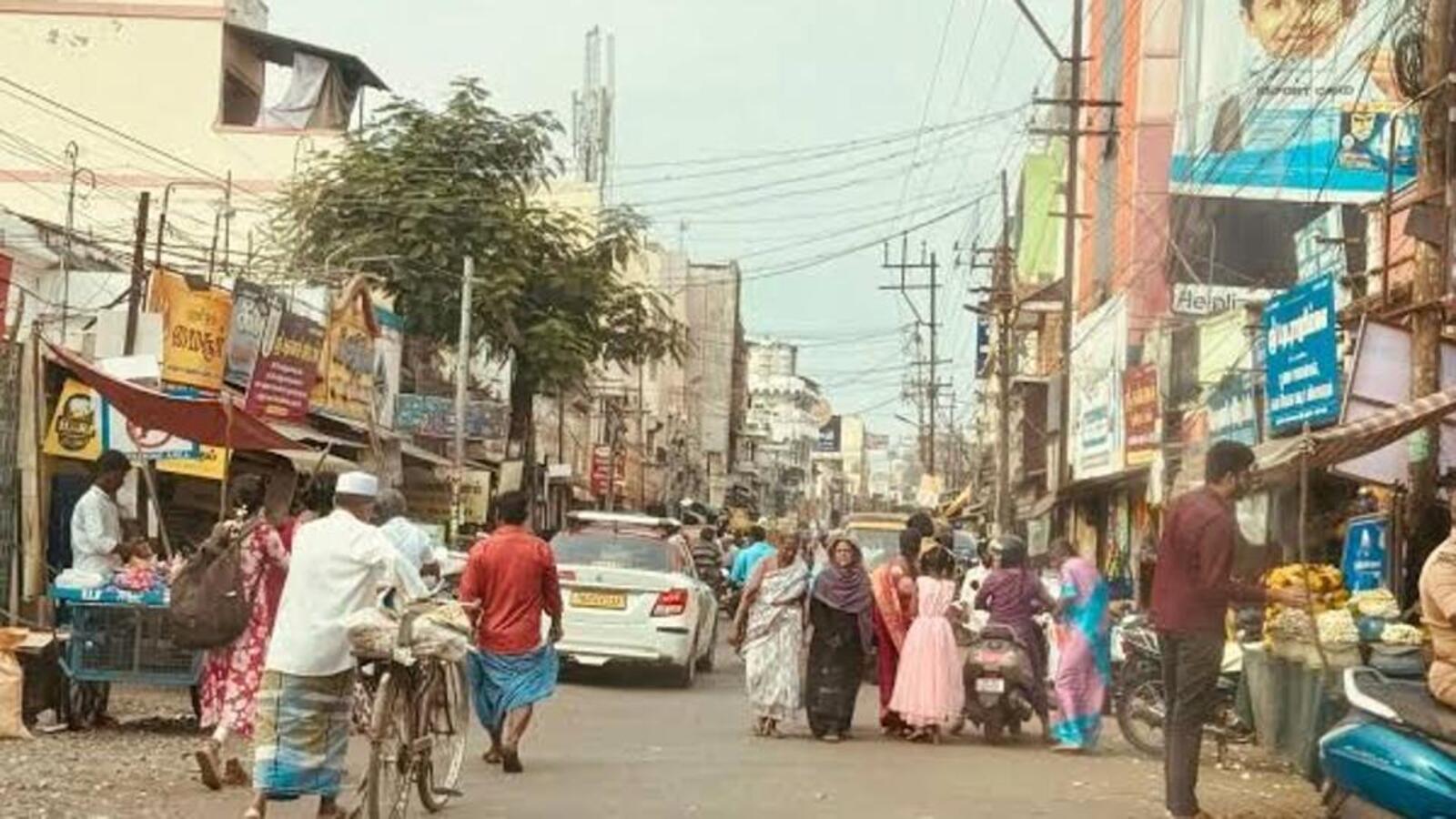
The World Bank's updated poverty estimates for India, released in early October, show that the share of the population living below $3 per day in 2021 purchasing power parity terms fell to 2.6% in 2023. This compares with 47.5% in 1993 and 27.1% in 2011, according to the data.
The $3 line captures extreme poverty. At higher thresholds, poverty levels remain much higher: 16.1% at the lower middle-income country line of $4.2 per day and 80% at the upper middle-income country line of $8.3 per day in 2023. India is expected to reach upper middle-income per capita income levels sometime in the early 2030s.
The estimates are based on consumer expenditure surveys conducted by the National Sample Survey Organisation. Changes in survey methodology, including recall periods, make comparisons over time somewhat problematic, though the original report notes this would not alter the directional trend.
The decline has coincided with an expanded welfare net rather than an organic shift of workers away from agriculture. According to a PRS Legislative Research report on state finances, states are estimated to spend about ₹4 lakh crore on unconditional cash transfers in 2026-27, up from 0.6% of GDP in 2022-23 to 1% by 2026-27. Most state cash transfer programmes exceed the roughly ₹1,800 per month equivalent of the World Bank's $3 per day line.