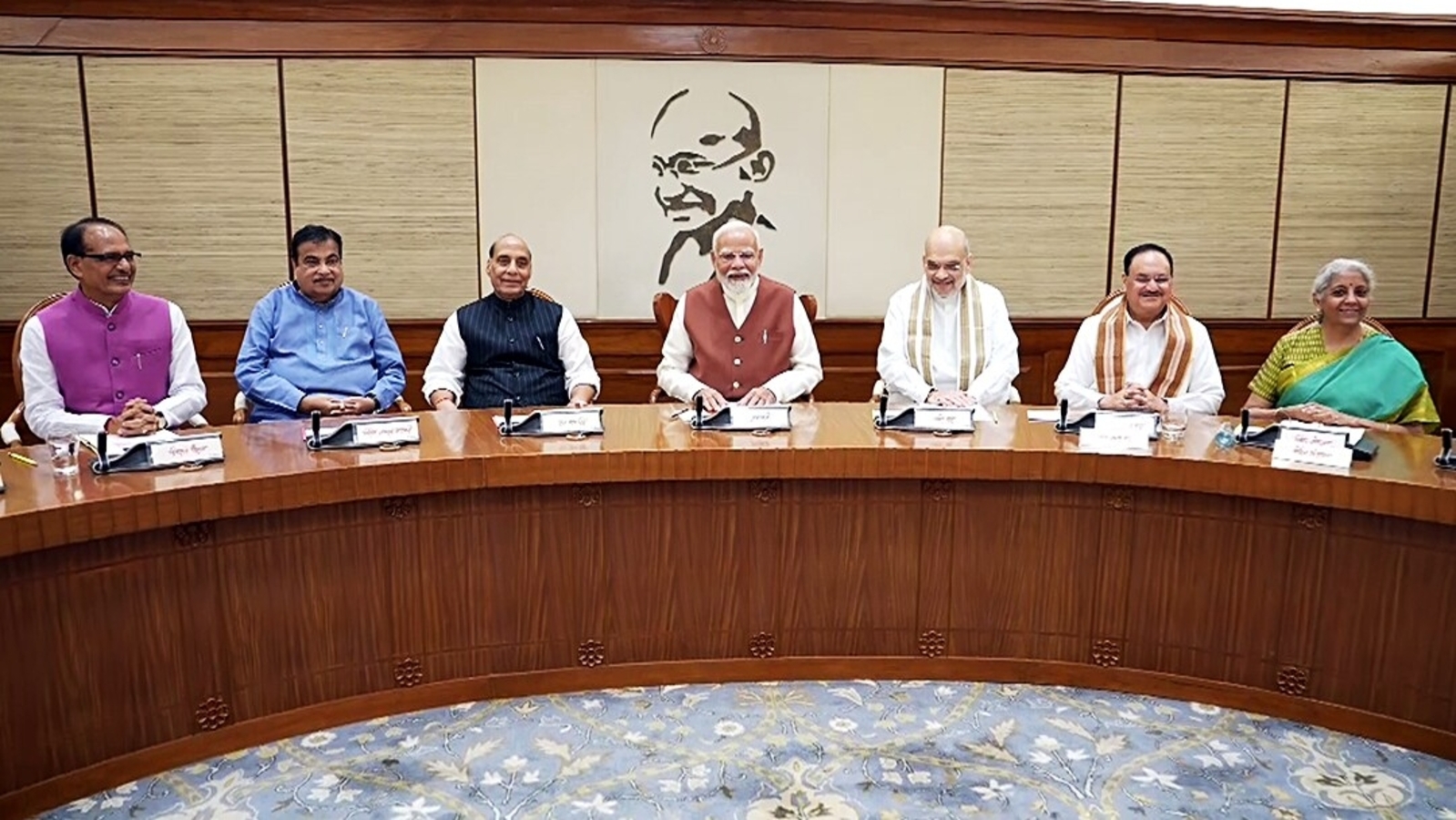
The Union Cabinet on Friday approved two bills that would increase Lok Sabha seats in every state and Union Territory by 50%, raise the Lower House's ceiling to 850 and freeze the arrangement for 25 years, according to the original report. The 132nd Constitution Amendment Bill and the Delimitation (Second) Bill would also enable 33% reservation for women immediately after a delimitation exercise, set up delimitation commissions and raise state assembly strengths by 50%, capped at 650.
According to the statement of objects and reasons by Union law minister Arjun Ram Meghwal, the proposed bill would facilitate delimitation and operationalise reservation of seats for women in the Lok Sabha and legislative assemblies, promoting women's participation and inclusivity. Reserved seats would be rotated as per the delimitation commission's order and remain in place for 15 years. If passed, the Lok Sabha would become the world's largest directly elected national legislative chamber.
A Constitution amendment bill requires a two-thirds majority in both Houses and ratification by 50% of states. The National Democratic Alliance appears within striking distance of that threshold in both Houses, which reconvene on Monday for a four-day special sitting. An earlier bill introduced in April failed to get the required majority amid united Opposition, the first such failure in the Lok Sabha since 2011. Since then, churn in Opposition ranks has indicated the NDA might be more successful this time.
Under the new bill, the Lok Sabha's maximum strength would rise to 815 members from states and 35 from Union Territories (from 530 and 20 now), while state assemblies would be capped at 650. The 50% expansion would apply to existing seat allocations, preserving states' relative share rather than redistributing representation by population. The government acknowledged concerns over delimitation's impact on states' representation amid varying population growth, and said the revised framework was intended to be more balanced.