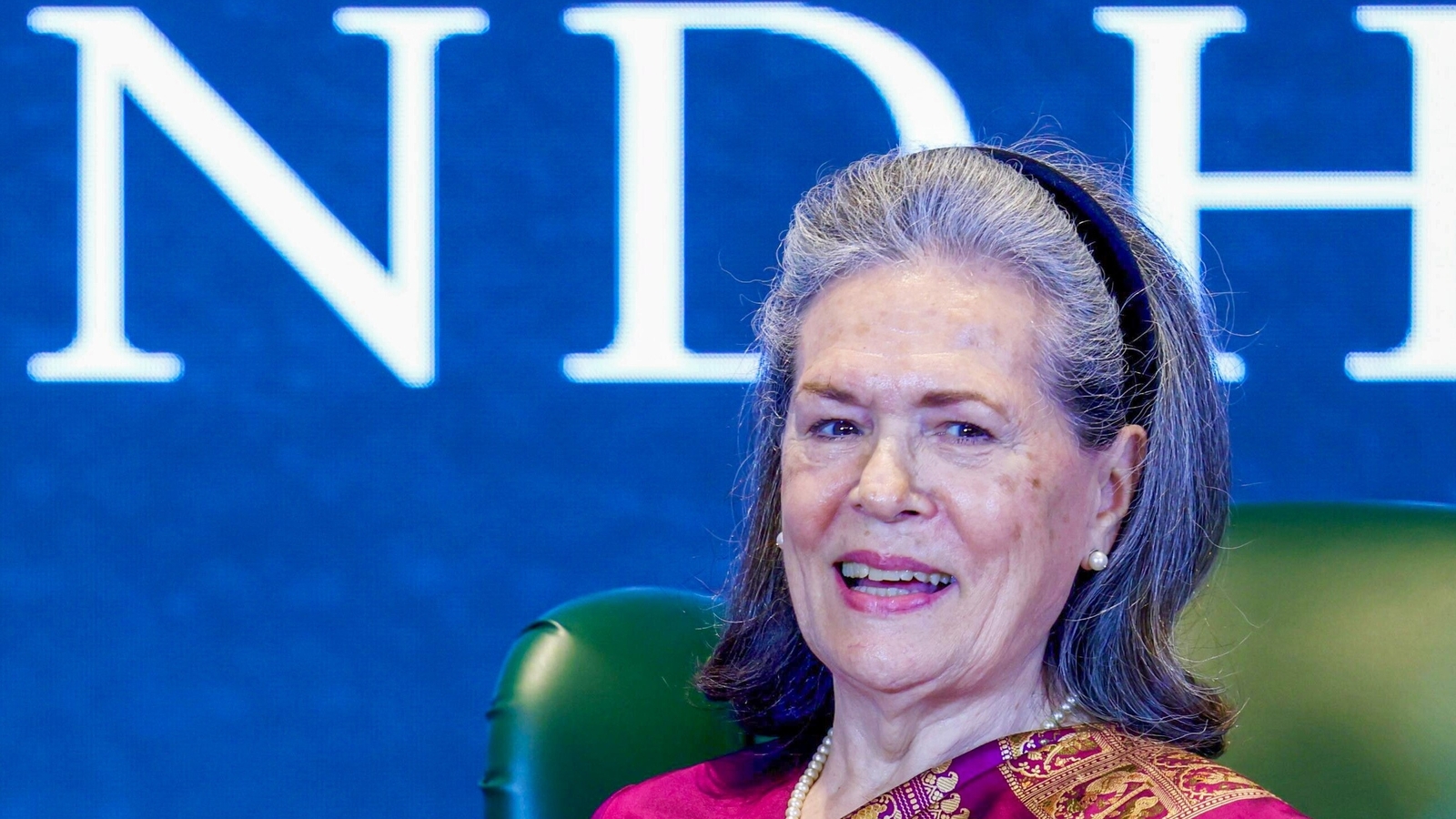
The Delhi Police has told a local court that Congress leader Sonia Gandhi acquired Indian citizenship on April 30, 1983, but her name appeared in the electoral rolls as early as 1980. In a fresh action taken report filed before Additional Chief Metropolitan Magistrate Vinod Joshi at Rouse Avenue courts, the police said the New Delhi district magistrate's office confirmed that her name was included in the rolls in 1980, deleted in 1982 and included again in 1983. The Foreign Division of the Union home ministry also confirmed the citizenship date, according to the police.
The police said the Form 6 applications and other documents relating to her enrolment in 1980 and 1983 were unavailable, and their absence remained subject to investigation. The judge directed the investigating officer of Tughlak Road police station to complete the enquiry before the next hearing and file a conclusive report on whether the allegations disclosed a cognisable offence. The matter will be heard next on December 14. The police also told the court that they had written to the chief electoral officer at Kashmere Gate seeking details of whether Gandhi had cast any votes during the intervening period, and said the response was awaited. The police did not state whether the alleged inclusion of her name before she acquired citizenship constituted a criminal offence.
The court also took exception to the complaint having been transferred between IP Estate and Tughlak Road police stations, observing that the Bharatiya Nagarik Suraksha Sanhita did not provide for such a transfer. The complaint was filed by advocate Vikas Tripathi, who accused Gandhi of cheating and forgery, alleging that her name was included in the electoral rolls in 1980 though she acquired Indian citizenship only on April 30, 1983, and that her name was removed in 1982 and re-entered on January 1, 1983. A magistrate court had dismissed the complaint on September 11, holding that the allegations were not supported by cogent evidence, but Special Judge Vishal Gogne set aside that order on September 21, holding that the prescribed procedure under the BNSS had not been followed.
Opposing Tripathi's revision petition before the special judge, Gandhi, through senior advocate R S Cheema, described the complaint as politically motivated and an attempt to abuse the process of law. Her counsel argued that the complainant had produced no documentary evidence to establish forgery or falsification of records by her, that citizenship matters fell within the central government's domain and that preparation and revision of electoral rolls were statutory functions of the Election Commission of India. Her response also maintained that the allegations were based on a controversy raised in the media more than 25 years ago and were being revived without any fresh factual basis.