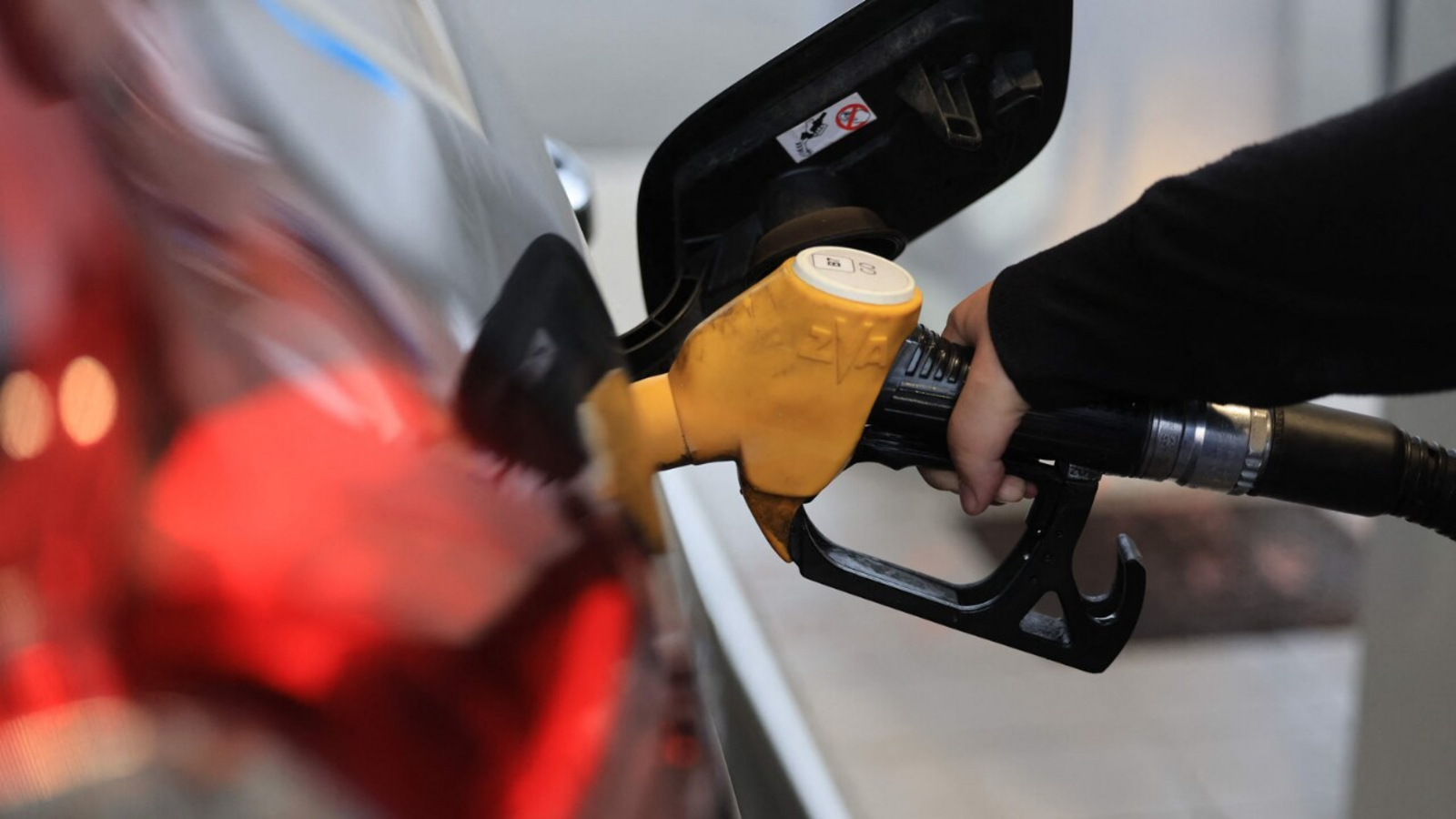
Petrol and diesel prices were largely unchanged across major Indian cities on November 28, though Gurgaon and Noida recorded reductions in both fuels, according to data from Goodreturns. Petrol in Gurgaon fell by ₹0.20 per litre to ₹102.77, while Noida saw a decline of ₹0.16 to ₹101.96. Diesel prices in both cities came down as well, with Gurgaon recording a reduction of ₹0.20 to ₹95.44 per litre and Noida a decline of ₹0.12 to ₹95.44. Thiruvananthapuram saw a marginal increase in diesel prices of ₹0.01 to ₹104.41 per litre.
International crude oil prices remained volatile as attacks on energy infrastructure and oil tankers in the Middle East heightened concerns about potential supply disruptions. According to reports, Brent crude fell around 1% to settle near $95 a barrel on Friday but still recorded a weekly gain. Saudi Arabia's Jazan refinery, located near the Red Sea coast, was attacked again by Iran-backed Houthi militants, days after the kingdom's Ras Tanura oil export hub on the Persian Gulf was targeted. Attacks on tankers and around the Strait of Hormuz have continued as the Iran war entered its tenth month.
The International Energy Agency expects the global oil market to move into a surplus this quarter, but persistent geopolitical tensions have kept supply concerns in focus. Dennis Kissler, senior vice president for trading at BOK Financial Securities Inc., said that traders remain focused on the escalation of Strait of Hormuz attacks, which is keeping a bid under prices. Traders are also monitoring an upcoming OPEC meeting, where the alliance is considering retaining its existing output quotas through January.
Tarun Kapoor, adviser in the Prime Minister's Office, said high crude oil and natural gas prices have added an estimated ₹6-7 lakh crore annually to the financial burden on the Indian economy. Speaking at the 16th Energy Security Conference organised by the Confederation of Indian Industry, he called for a structural shift towards electric vehicles in freight and passenger transportation and warned that India's heavy reliance on energy imports leaves the economy vulnerable to international price shocks. India imported 122.7 million tonnes of crude oil during the first half of the 2026-27 financial year, marginally higher than the 121.8 MT imported a year earlier.