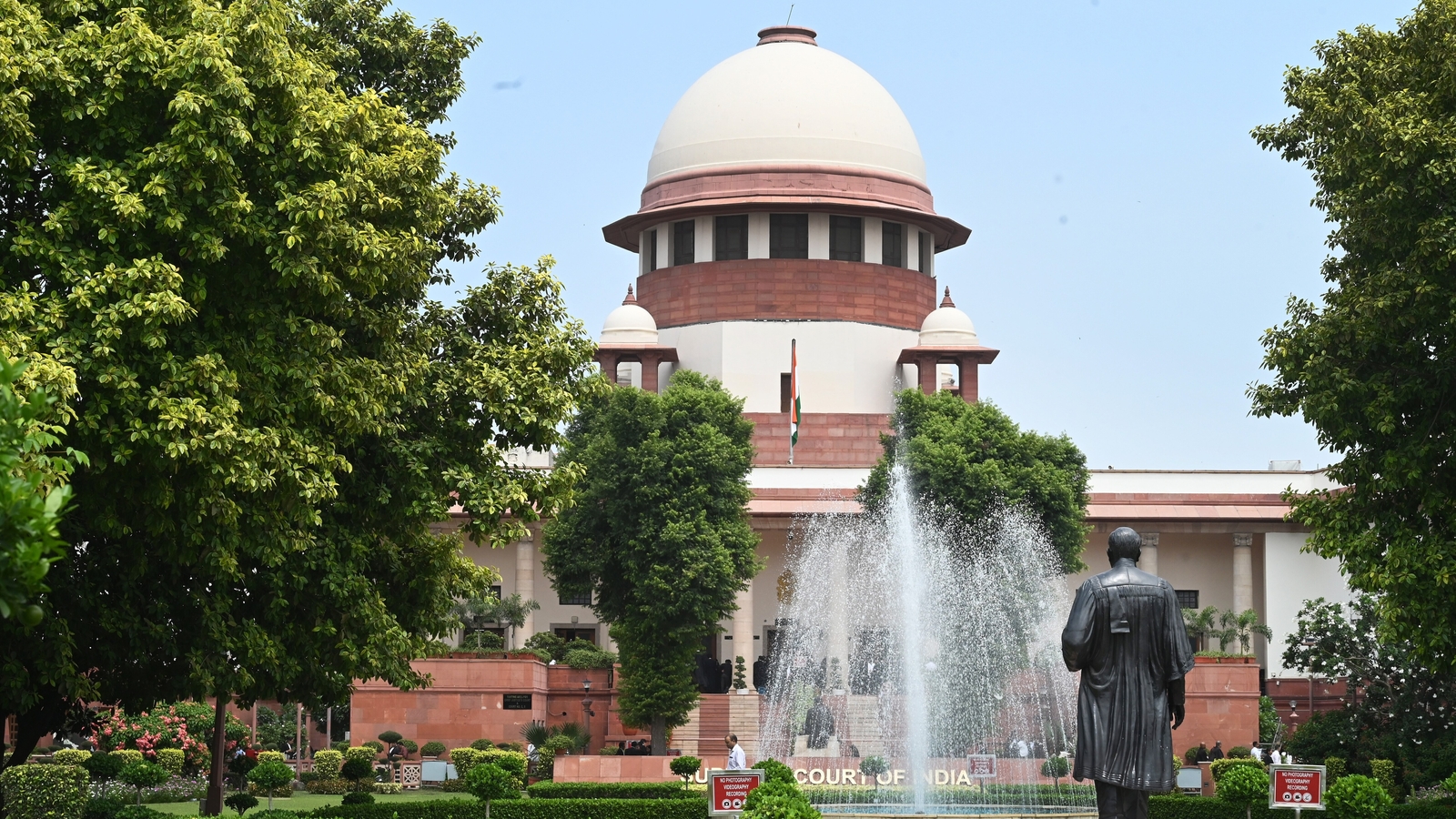
The Supreme Court on Wednesday set aside a Madras High Court order that had awarded custody of two boys to their father alone, observing that children are neither the property nor toys of their parents. A bench of Justice Vikram Nath and Justice Aparesh Kumar Singh held that a child's welfare takes precedence over the legal rights of parents in a custody dispute, according to LiveLaw. The court said the principle that a father should get custody is subject to exceptions and is not universally applicable, noting that the boys had expressed a preference to stay with their mother and were unwilling to live with their father.
The case concerns a Christian couple who married in 2009 and divorced in 2014. The woman, who obtained the divorce decree alleging cruelty, sought custody of the children. In 2018, a family court granted custody to the father under the Guardians and Wards Act, 1890. The High Court later upheld that order, finding no evidence to support the woman's allegations about the father's mental condition, and noting that she had not allowed him to see the children despite court orders. The Supreme Court stayed the High Court order in 2025, and the children have remained with their mother since.
After speaking to all parties, including the children, the bench noted that the boys said they had lived with their mother and maternal grandfathers and had stayed with their father for only about two years in their childhood. The court observed that the father was willing to provide financial support for their education and had a genuine grievance about not being allowed to be with his sons, but held that the children's welfare was paramount. It said the boys had formed a strong emotional bond with their mother since birth, and removing them from her custody would not be conducive to their mental and physical well-being, even though the father had not been found unfit.
The court directed that the father may meet the children on the second Saturday and Sunday of every month at a designated time, and that the mother should facilitate these visits.